 Skip to content

UN 3373 vs. Category A: 7 Crucial Packaging Differences You Need to Know
When shipping infectious materials, understanding UN 3373 vs. Category A classifications is essential to ensure compliance, avoid costly delays, and protect public health. In this comprehensive guide, we’ll walk through seven crucial differences—from basic definitions to packaging, labeling, and documentation requirements—so your next specimen shipment goes off without a hitch.
UN 3373 vs. Category A: Classification Basics
At the heart of infectious-substance transport are two primary categories defined by the UN Model Regulations:
- UN 3373 (Category B) covers diagnostic specimens that are unlikely to cause permanent disability or life-threatening disease in otherwise healthy humans or animals.
- Category A (UN 2814 for humans, UN 2900 for animals) includes agents known or reasonably expected to cause permanent disability, life-threatening, or fatal disease upon exposure.
These distinctions determine everything from packaging performance standards to labeling, documentation, and carrier approvals.
What Is UN 3373 (Category B)?
UN 3373 specimens are typically diagnostic or research samples such as blood, urine, or swabs suspected of containing pathogens. Key points:
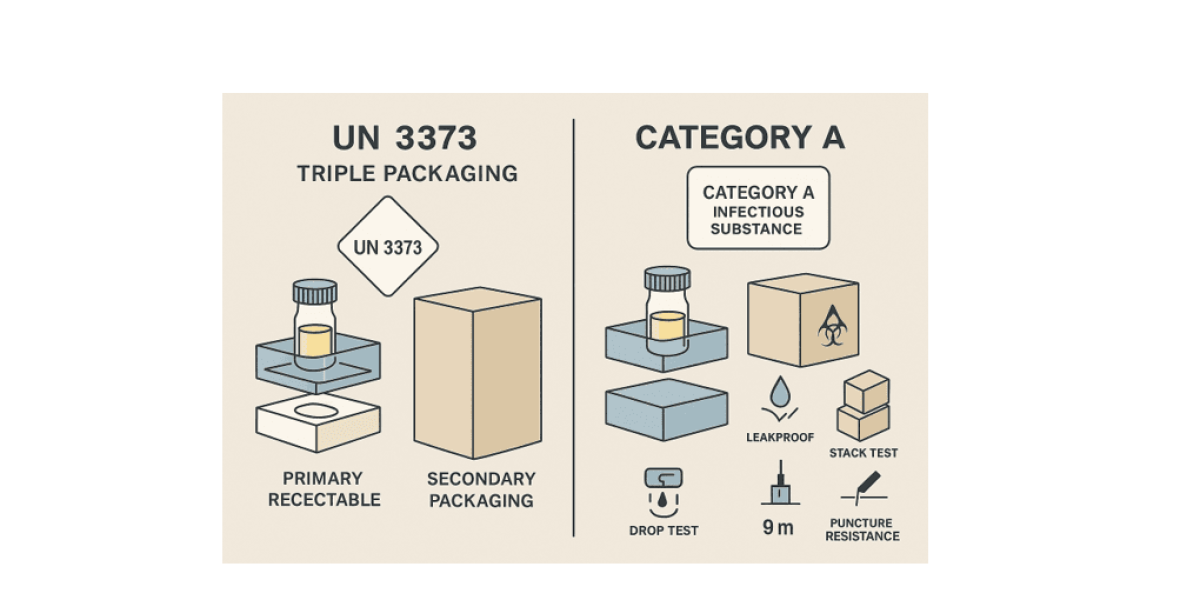
- Packaging: Must use a “triple pack” system—leakproof primary receptacle(s), leakproof secondary packaging, and a rigid outer packaging.
- Performance Testing: The complete package must withstand a 1.2 m drop test without leakage.
- Documentation: A Shipper’s Declaration is not required, but a clear “UN 3373” mark and proper handling label are mandatory.
For full details, see the IATA Dangerous Goods Regulations guidelines on Category B infectious substances.
What Is Category A (UN 2814 & UN 2900)?
When pathogens pose a high health risk, Category A rules apply:
- UN 2814: Infectious substances affecting humans.
- UN 2900: Infectious substances affecting animals only.
Key differences from UN 3373:
- Shipper’s Declaration: A fully completed declaration for dangerous goods is required.
- Packaging Standards: Outer packaging must pass a 9 m drop test, stack test (1.2 m), and puncture resistance test.
- Special Permits: Carriers often require advance approval to transport Category A.
Refer to the UN’s Recommendations on the Transport of Dangerous Goods for official testing criteria.
Key Packaging Requirements for UN3373 vs. Category A
UN 3373 Packaging Specifications
- Primary Receptacle: Leakproof container (e.g., screw-cap tube).
- Secondary Packaging: Sealed, leakproof bag or container holding the primary.
- Absorbent Material: Enough to absorb twice the volume of the specimen.
- Outer Packaging: Rigid box with minimum 100 mm on all sides around the contents.
Category A Packaging Specifications
- Primary & Secondary: Same as UN 3373, but materials must withstand higher-stress tests.
- Tertiary (Outer) Packaging: Must meet UN Performance Level IP-2 or IP-3 specifications:
- IP-2: 9 m drop and 1.2 m stack tests.
- IP-3: 9 m drop, 1 m stack under load, and puncture test.
- Cushioning: Must prevent movement and provide insulation against shocks.
Labeling and Documentation Differences
| Requirement | UN 3373 (Category B) | Category A (UN 2814/2900) |
|---|---|---|
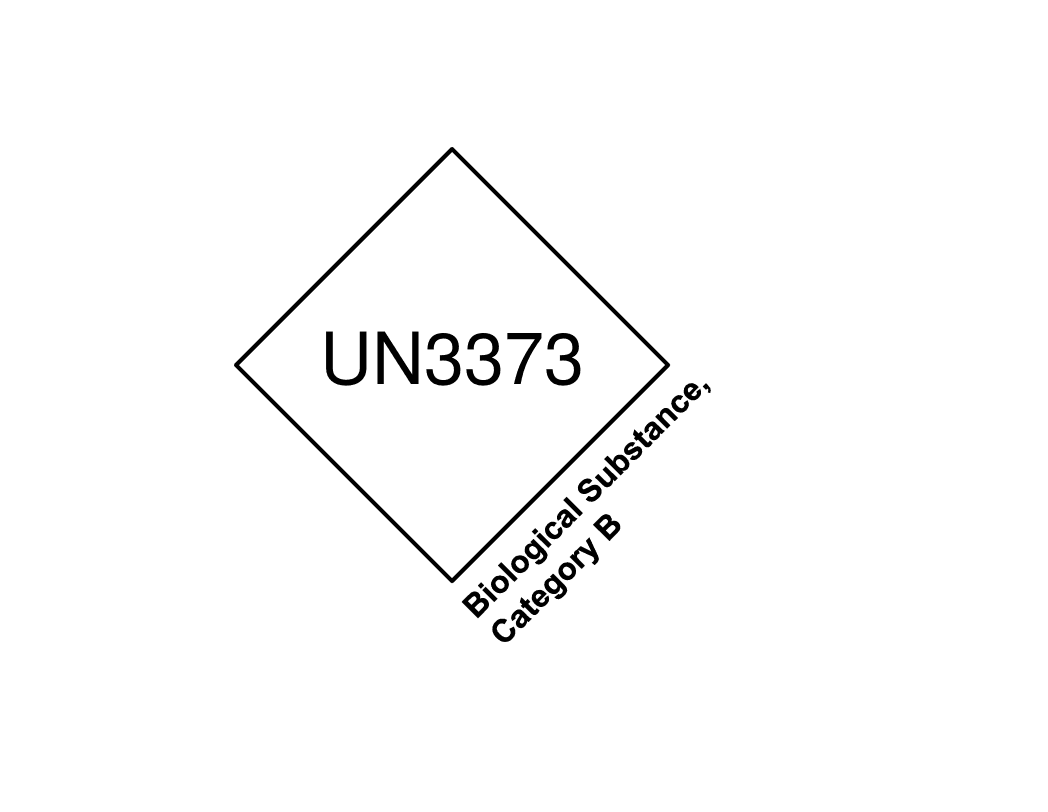
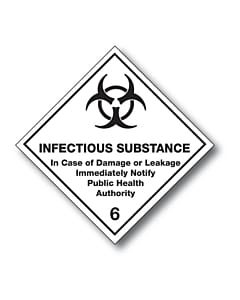
| Label | “UN 3373” mark + Category B label | “UN 2814” or “UN 2900” + Class 6.2 label |
| Shipper’s Declaration | Not required | Required |
| Emergency Contacts | Recommended | Mandatory |
| Carrier Approval | Standard | Special permit often needed |
Proper labels must be at least 100 × 100 mm and placed on the outer packaging.
Common Pitfalls and How to Avoid Them
- Mis-classification: Assuming all diagnostic samples are UN 3373.
- Tip: Always evaluate the agent’s risk group.
- Inadequate Absorbents: Using too little material and risking leakage.
- Tip: Stock up on certified absorbent pads.
- Incorrect Documentation: Missing signatures or incomplete Shipper’s Declarations.
- Tip: Maintain a packing checklist and train staff every 24 months per IATA mandates.
- Label Damage: Labels smudged by ice or moisture.
- Tip: Use weather-resistant labels or laminate after application.
Best Practices for Safe Transport
- Regular Training: Retrain personnel bi-annually and keep records.
- Audit Your Process: Perform mock shipments and inspect packaging integrity.
- Use Temperature Monitoring: For cold-chain shipments (e.g., dry ice), include data loggers.
- Stay Updated: Regulations evolve—subscribe to IATA and ICAO bulletins.
By mastering the nuances of UN 3373 vs. Category A, you’ll minimize risks, maintain regulatory compliance, and ensure that infectious substances reach their destination safely. Whether you’re a lab technician, courier, or logistics manager, these seven key differences will help you pack, label, and document like a pro.
Become Certified and Stay Compliant
Don’t wait until an inspection or incident forces you to act. Be proactive. Train your team and reduce your risk of fines or exposure.
Click here to have a look at our Infectious & UN3373 training courses
Contact us on 0330 912 5041 or email: [email protected]