 Skip to content
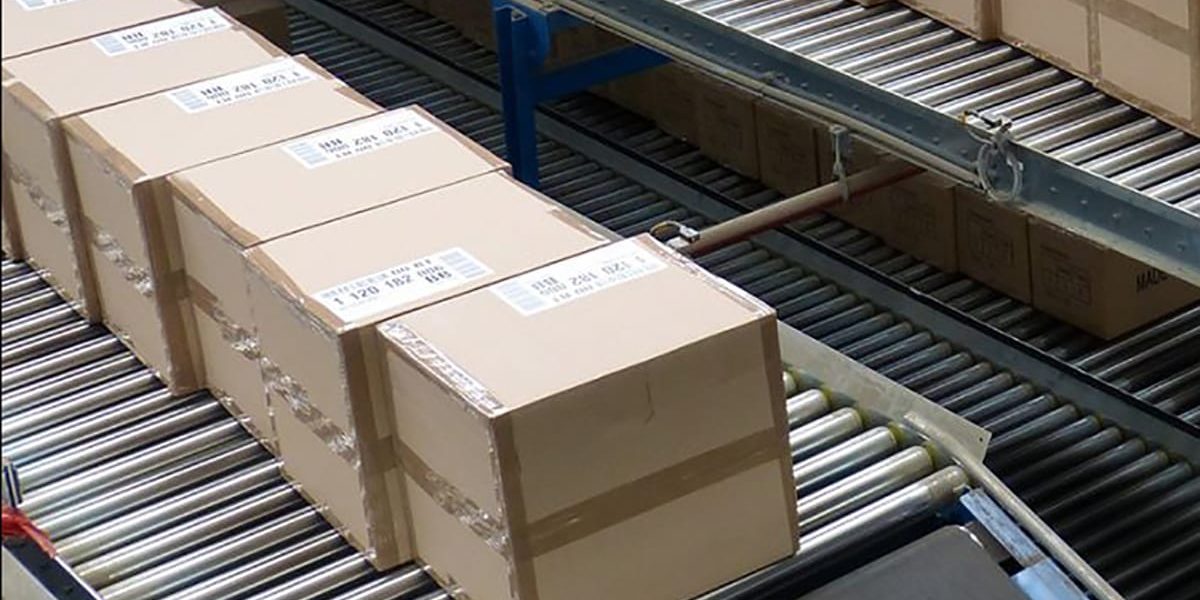
When shipping limited quantity dangerous goods the UN Recommendations recognises that many dangerous goods (DG) substances, when in small quantities, present a reduced hazard during transport and can be safely carried in good quality packaging. When shipped by Road, Sea or Air, small quantities of Dangerous Goods – referred to as “limited quantities”—allow some aspects of the Dangerous Good’s shipping requirements to be bypassed. Here is our short guide to transporting limited quantities.
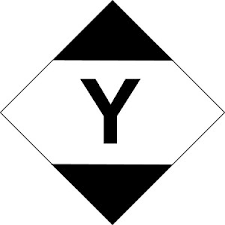
When shipping limited quantities Dangerous Goods, training is required for each mode of transport that you utilise. There are 2 different marks that you may see on packages containing Limited Quantity Dangerous Goods.

Shipping Limited Quantity Dangerous Goods by Sea (International Maritime Dangerous Goods (IMDG) Code)
When shipping limited quantities by Sea, the benefits of limited quantity packaging allow you to bypass the following aspects of the IMDG Code;
- No UN Specification Marked Packaging is required (Part 6.1.3)
- No UN Package performance testing is required (Part 6.1.5)
- Labelling Requirements (Part 5.2.2) – There is no requirement to display hazard class diamonds
- Display of Proper Shipping Names/UN # on Cargo Transport Units with single UN’s (Part 5.3.2)
- Some segregation requirements in containers and vessels
Shipping limited quantities by Sea allow shippers to transport dangerous goods in easy to handle cost effective packaging. Of course not all the rules are permitted to be bypassed. The following IMDG Code requirements must remain in place;
- Must meet most general packaging requirements Part 4.1.1.1 -4.1.1.8; (i.e., “strong outer packaging”)
- Must be a “combination” packaging (inners or solids packed in an outer)
- Cannot exceed a gross weight of 30 kg
- Conform to the inner packaging limits in the DG List column 7a of the IMDG, if column 7a states 1 L all inners must be 1 litre or less
- A Dangerous Goods Note must support the movement of the goods
The use of limited quantities by Sea is used as a cost effective shipping method for sending bulk retail products. The type of products sent using this regime is perfumes, aerosols, paints, cleaning chemicals, glues.
Shipping Limited Quantity Dangerous Goods by Road – International Carriage of Dangerous Goods (ADR)
When shipping limited quantity dangerous goods by Road, the benefits of limited quantity packaging allow you to bypass the following ADR requirements;
- Transport Category Exemptions (1.3) – This section does not apply to limited quantities
- No UN Specification Marked Packaging is required (Part 6.1.3)
- No UN Package performance testing is required (Part 6.1.5)
- Labelling Requirements (Part 5.2.2) – There is no requirement to display hazard class diamonds
- Instructions in Writing (Part 5.4.3) – The driver does not need to be provided with emergency information for the hazards in the vehicle.
- Requirements for vehicle crews, equipment, operation and documentation (Part 8) – An ADR qualified driver is not needed to transport packages under the limited quantity regime. Drivers should still not smoke in the vehicle or open the packages.
Just like with the Sea mode of transport, when shipping limited quantities by road we must still apply many of the regulations to maintain compliance. All of the following ADR requirements must remain in place;
- Must meet most general packaging requirements Part 4.1.1.1 -4.1.1.8; (i.e., “strong outer packaging”)
- Must be a “combination” packaging (inners or solids packed in an outer)
- Cannot exceed a gross weight of 30 kg
- Conform to the inner packaging limits in the DG List column 7a of the IMDG, if column 7a states 1 L all inners must be 1 litre or less
- Container/ Vehicle Packaging Certification completion – if the vehicle is going over water this is required
- Tunnel Restriction Codes (8.6) – The tunnel codes only come into effect if you have over 8000 kg of packaged limited quantity goods in the vehicle or you meet the requirements of 3.4.13
Shipping limited quantities dangerous goods by Road is used as a cost effective shipping method for sending bulk retail products. The type of products sent using this regime is perfumes, aerosols, paints, cleaning chemicals, glues. The major difference between Sea & Road is that items moving by Sea must have a Dangerous Goods Transport Note.
Even though the driver does not need an ADR qualification, they are still transport dangerous goods and should have a 2 kg Dry Powder Fire Extinguisher on board the vehicle.
Packages bearing the limited quantity mark for Road & Sea transport are acceptable for air transport provided that the dangerous goods and their packagings are in full compliance with the regulations. The packages should bear all the marks and labels required by the IATA Dangerous Goods Regulations.
To learn more regarding the transport of dangerous goods under Limited Quantities by Sea or Road take one of our training courses Limited Quantities E-Learning courses or attend a Virtual Limited Quantities Training course for all Modes of transport.
Shipping Limited Quantity Dangerous Goods by Air (IATA/ICAO Dangerous Goods Regulations)
Shipping limited quantity dangerous good by air is inherently more dangerous than shipping by other modes. When shipped by air, the benefits of limited quantity allows you to bypass very few of International Civil Aviation Organisation (ICAO) DGR requirements;
- No UN Specification Marked Packaging is required (Section 6.3)
- No UN Package performance testing is required (Section 6.0.4)
All of the following IATA DGR requirements must remain in place;
- Must meet most general packaging requirements section 5.0.2-5.0.4; (i.e., “strong outer packaging”)
- Must be a “combination” packaging (inners or solids packed in an outer)
- Cannot exceed a gross weight of 30 kg
- Must be limited to the maximum net quantity per package indicated in Column H of the List of Dangerous Goods List – The maximum quantities of the outer packaging is generally must smaller than the quantities for other modes of transport.
- Follows the “Y” packaging instructions indicated in Column G of the Dangerous Goods List – it is vital that both the inner and outer packaging complies and the appropriate cushioning and absorbant materials are present. The maximum quantities of the inner packaging is generally must smaller than the quantities for other modes of transport.
- Must be fully marked as per the regulations (UN#, Proper Shipping Name, Net Qty, Full Name & Address of the Shipper & Consignee)
- Must be labelled with the Hazard Class that is being transported as well as the limited quantity mark.
- A Shipper Declaration must support the movement of the goods
Note: The Limited Quantity label for Road and Sea may also be applied under section 7.1.5.6 provided that all other aspects
Shipping Limited Quantity dangerous goods by Air is not much different to sending fully regulated dangerous goods, the big cost saving for shippers is on the cost of the packaging and the flexibility of being able to transport quickly on both passenger and cargo aircrafts.
To learn more regarding the transport of dangerous goods under Limited Quantities by Air take one of our training courses Limited Quantities by Air E-Learning Our new ID8000 E-Learning course for customers sending consumer commodities by air or attend a Virtual Limited Quantities Training course for all Modes of transport.
You can check the UK Department of Transport website for Shipping Dangerous Goods. If you would like to learn more or you require certification on any aspect of shipping limited quantity dangerous, please do not hesitate to contact the team at Logicom Hub Ltd
Tel: 0330 912 5041 / [email protected]