 Skip to content
Navigating the Skies Safely: A Dive into Dangerous Goods Training for Airlines
Introduction
In the dynamic world of aviation, safety is non-negotiable. As airlines transport a myriad of goods worldwide, including hazardous materials, ensuring that airline personnel are equipped to handle and transport dangerous goods is paramount. In this blog, we’ll explore the specific requirements and training programmes tailored to the aviation industry. Delve into the regulations governing the transportation of dangerous goods by air, uncover necessary protocols for airline personnel and understand the importance of specialised training for various roles within the aviation sector.
Understanding the Specific Requirements for Airlines
- International Civil Aviation Organization (ICAO): ICAO, a specialised agency of the United Nations, sets global standards for civil aviation. The technical instructions are used as the basis of legislation in all countries that adopt the Technical Instructions into law. This permits the national aviation authorities to impose penalties and prosecution to any shipper, forwarder or airline for failure to comply.
- National Aviation Authorities: In addition to international standards, airlines must comply with regulations set by their respective National Aviation Authorities (NAAs). Most countries have adopted the Technical Instructions into legislation. Each country is permitted to add further restrictions. This means the regulations may vary from country to country, making it imperative for airlines to stay abreast of local requirements.
Training Programmes Tailored to the Aviation Industry
- Initial Dangerous Goods Training: Initial training is a foundational requirement for personnel involved in the transportation of dangerous goods by air. This includes pilots, cabin crew, ground handling staff, and anyone responsible for the acceptance, handling, or carriage of dangerous goods. The training covers essential topics such as hazard identification, handling procedures, and emergency response.
- Recurrent Training: The aviation industry operates in a dynamic environment, and regulations may evolve. Recurrent training ensures that personnel stay updated on the latest changes and maintain their proficiency in handling dangerous goods. This ongoing training is critical for sustaining a high level of safety within the airline.
- Role-Specific Training: Different roles within the aviation sector require specialised knowledge. Pilots, for instance, need training that aligns with their responsibilities, including understanding the impact of dangerous goods on aircraft performance and responding to in-flight emergencies. Cabin crew members require training on recognising and managing dangerous goods incidents in the cabin.
Regulations Governing the Transportation of Dangerous Goods by Air
- International Civil Aviation Organization (ICAO): The Technical Instructions for the Safe Transport of Dangerous Goods by Air, published by ICAO, provides a harmonised set of regulations to ensure the safe transport of dangerous goods by air across international borders. This includes the classification of hazardous materials, specifies packaging requirements, and outlines procedures for handling, loading, and transporting these materials safely.
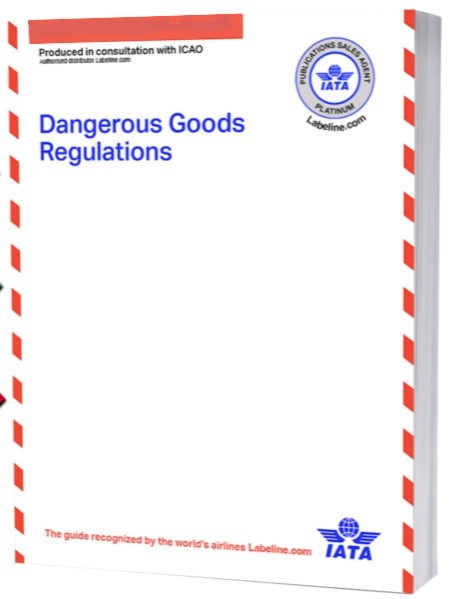
- IATA Dangerous Goods Regulations (DGR): As a trade body to the airline industry, IATA is a key player in establishing global standards for the aviation industry. They provide feedback to ICAO on incidents and accidents, so that changes can be made and adopted into legislation. The IATA DGR is the go-to resource for airlines when it comes to transporting dangerous goods. It provides an easy-to-use guideline for the classifying of hazardous materials, specifies packaging requirements and outlines procedures for handling, loading and transporting these materials safely.
Protocols for Airline Personnel
- Pilots: Pilots play a crucial role in ensuring the safety of flights involving dangerous goods. They must be trained to identify and respond to incidents related to hazardous materials, assess the impact on flight safety, and communicate effectively with air traffic control in emergencies. Pilots also have the authority to determine if the dangerous cargo will be permitted on aboard.
- Cabin Crew: Cabin crew members need to be equipped to identify and manage dangerous goods incidents in the cabin. Training covers the recognition of undeclared dangerous goods, responding to leaks or spills, and coordinating with the flight crew to ensure the safety of passengers and crew.
- Ground Handling Staff: Ground handling personnel are responsible for the physical handling, loading, and unloading of cargo, including dangerous goods. Training focuses on proper storage, securing, and documentation of hazardous materials, as well as emergency response procedures in case of incidents on the ground.
Importance of Specialised Training for Aviation Professionals
- Safety First: Specialised training ensures that airline personnel can handle and respond to dangerous goods incidents with precision. This is fundamental in preventing accidents, minimising risks, and safeguarding the well-being of everyone on board.
- Regulatory Compliance: Airlines operate in a highly regulated environment. Specialised training guarantees compliance with international and national regulations, protecting the airline from legal consequences and reputational damage.
- Efficient Emergency Response: In the event of an incident involving dangerous goods, the ability to respond swiftly and effectively is crucial. Specialised training prepares aviation professionals to manage emergencies, potentially preventing catastrophic outcomes.
Industry-Specific Practices and Guidelines
- Security Measures: Beyond the transportation aspect, airlines implement stringent security measures to prevent the unauthorised access or tampering of dangerous goods during transit. These measures are in line with both international and local regulations.
- Collaboration with Regulatory Authorities: Airlines actively collaborate with regulatory authorities to stay informed about updates and changes in regulations. This collaborative approach ensures a unified effort towards maintaining the highest standards of safety and compliance.
- Continuous Improvement: The aviation industry thrives on continuous improvement. Airlines often conduct internal audits and assessments to identify areas for improvement in their dangerous goods handling procedures. This proactive approach contributes to a culture of ongoing enhancement in safety practices.
Conclusion
Dangerous goods training for airlines is not just a regulatory requirement; it is a commitment to safety, compliance, and the well-being of passengers and crew. By understanding the specific requirements, regulations, and protocols governing the transportation of hazardous materials by air, aviation professionals can contribute to a safer and more resilient industry. Specialised training is the key to navigating the skies safely, ensuring that each flight reaches its destination without compromising on safety or regulatory compliance.
To find out more about our specialised dangerous goods training for airlines, contact the Logicom Hub team today on 0330 912 5041 or email us at [email protected].