 Skip to content
Dangerous Goods by Sea (IMDG) - Training Courses
Every shipment of dangerous goods that moves over water is considered the transport of dangerous goods by Sea. There are two types of vessels that are covered in an International Maritime Dangerous Goods (IMDG) course
– Ferries: As the United Kingdom is an island, any goods that we deliver in a truck to Europe or Northern Ireland are moving across water and must comply with IMDG.
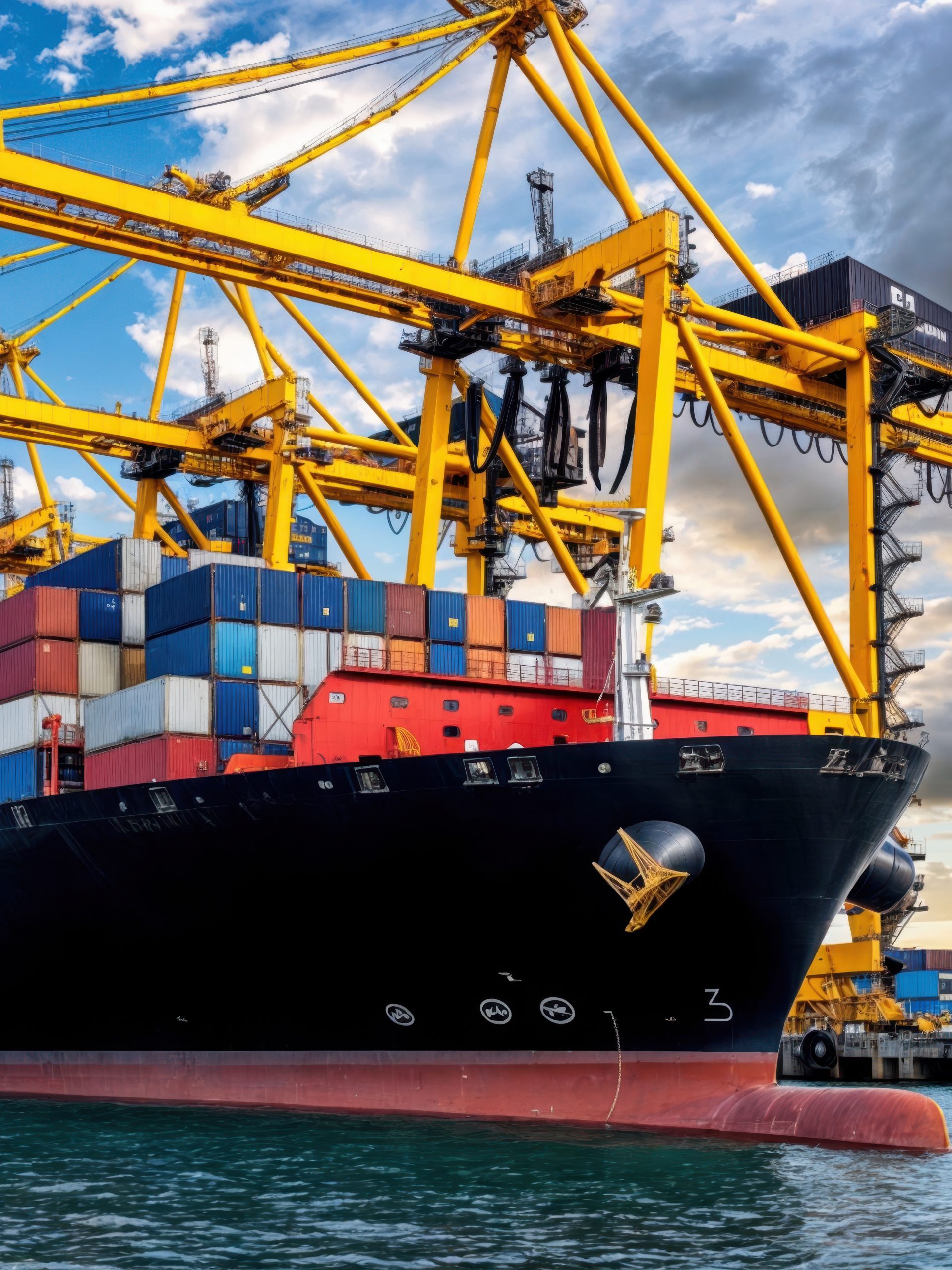
– Cargo Ships: These are used for moving goods on the ocean all over the world in a multi modal freight container or a bulk container ship.
Our certification courses are led by qualified facilitators and are designed to offer practical solutions for employees that transport dangerous goods by sea. The courses are interactive and built with sufficient flexibility that we can incorporate attendee product examples to help manage the process of dangerous goods in the work environment.
All our ocean dangerous goods training concludes with a knowledge test of which we like to see students successfully achieve an 80% pass mark. It is recommended that IMDG training is repeated every 2 years.
E-Learning
Dangerous Goods by Sea (IMDG) e-Learning is distance learning which takes place across the internet. It allows you to work at your own place in your own time frame.
Classroom
Dangerous Goods by Sea (IMDG) Classroom learning can be either across the internet or at a specific location, which are led by qualified instructors with an exam or certificate
In-House Training
Dangerous Goods by Sea (IMDG) In-House Training is tailored to your team’s specific needs, delivered conveniently at your location.
Upcoming Courses
-
Nov09
-
Nov09
-
Nov23
-
Nov23
-
Dec07
-
Dec07
-
Jan11
| Package Route | Meaning | Level of Control | Applicable |
|---|---|---|---|
|
Very small quantities of eligible dangerous goods shipped under excepted quantity provisions. |
Lowest quantity concession. Still has rules for classification, suitable packaging, marks, and documentation statements where required. |
Use when the dangerous goods are tiny quantities and the regulations allow the substance to move as EQ. Typically used for samples. |
|
|
Small, limited amounts of eligible dangerous goods shipped under limited quantity provisions. |
More requirements than EQ, but reduced compared with fully regulated dangerous goods. |
Use when the dangerous goods fit LQ limits. It can cover many dangerous goods, not just one product type. Examples Paints, Adhesives |
|
|
Full dangerous goods package |
A fully regulated dangerous goods shipment that does not move under EQ, LQ, SP188, or another reduced provision |
Full training and full regulatory controls are expected: classification, packing, marking, labelling, documentation, and handling rules. |
Use when the goods are above low-quantity limits, not eligible for an exemption, or require full dangerous goods compliance. |
|
Fully regulated battery shipments by sea and/or road. |
Full IMDG and/or ADR battery training for regulated battery shipments by sea and/or road. Includes classification, identification, packing, marking, labelling, documentation and handling |
Use when the shipment is not eligible for SP188 or you have a combination of batteries. |
|
|
Small lithium batteries moving under Special Provision 188. |
It is a simplified sea/road battery route for eligible small batteries. Covering battery mark, packaging, overpacks and handling. |
If your battery meets SP188 requirements, Only for batteries under the limit of 100 wh (Ion) 2 g (Metal). If you have larger batteries or a combination of batteries you need the full course |
|
|
Materials, instruments or articles that contain radionuclides. |
Full Sea training for all type of materials containing radionuclides, including classification, identification, packing, marking. labelling, documentation and handling |
Only in-house training available for Sea shipments. Use or all type of radioactive packages including Excepted Packages |