 Skip to content

Safety Data Sheets Explained: Why Every Business Handling Hazardous Materials Needs Them
When businesses think about dangerous goods compliance, they often focus on packaging, labelling, transport documentation, and training. However, one of the most important documents in the entire supply chain is often overlooked: the Safety Data Sheets (SDS).
In a recent episode of The Cargo Couch Podcast, Logicom Hub’s Sam Stretton sat down with dangerous goods specialist Craig Lunn from CML Dangerous Goods Services to discuss the critical role Safety Data Sheets play in protecting workers, ensuring compliance, and supporting the safe transport of hazardous materials.
What Is a Safety Data Sheet?
A Safety Data Sheet (SDS) is a detailed document that provides essential information about a chemical product or hazardous substance. It helps employers, employees, transport operators, emergency responders, and regulators understand the risks associated with a substance and how to handle it safely.
An SDS contains information such as:
- Hazard identification
- Chemical composition
- Safe handling and storage procedures
- Emergency response measures
- Exposure controls
- Physical and chemical properties
- Transport classifications
- Disposal considerations
Today’s SDS follows a globally recognised 16-section format, making it easier for users worldwide to find critical safety information quickly.
Why Are Safety Data Sheets Important?
Whether you’re a manufacturer, warehouse operator, freight forwarder, laboratory technician, or dangerous goods shipper, Safety Data Sheets are essential.
According to Craig Lunn, any business that uses hazardous chemicals should maintain compliant SDS records for the products they handle.
An SDS serves several important purposes:
Protecting Workers
Employees need to understand the hazards they may encounter during their work. SDS documents provide guidance on:
- Personal protective equipment (PPE)
- Safe handling procedures
- First aid measures
- Fire-fighting information
- Spill response actions
Without this information, businesses significantly increase the risk of accidents, injuries, and environmental incidents.
Supporting Dangerous Goods Transport
For those involved in shipping dangerous goods, the SDS is often the first document consulted when determining transport requirements.
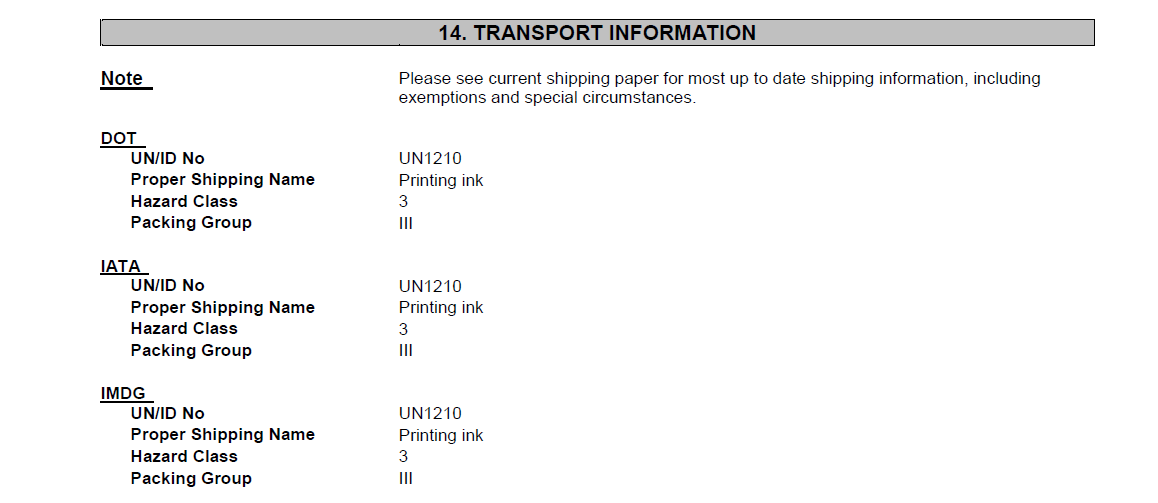
Particularly important is Section 14 – Transport Information, which contains details such as:
- UN Number
- Proper Shipping Name
- Hazard Class
- Packing Group
- Environmental hazards
- Special transport provisions
This information helps dangerous goods professionals correctly classify, package, mark, label, and document shipments in accordance with regulations such as:
- IATA Dangerous Goods Regulations (DGR) (Air Transport)
- ADR (Road Transport)
- IMDG Code (Sea Transport)
Understanding the Key Sections of an SDS
While many transport professionals focus on Section 14, several other sections provide valuable information.
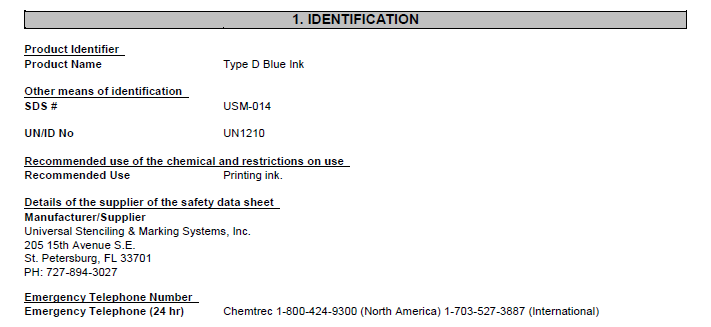
Section 1: Identification
This section includes:
- Product name
- Manufacturer details
- Emergency contact information
- Recommended uses
This is often the first point of reference during an incident.
Section 2: Hazard Identification
Here you’ll find:
- Hazard classifications
- Signal words
- Hazard statements
- Precautionary statements
- Pictograms
This section immediately communicates the risks associated with the substance.
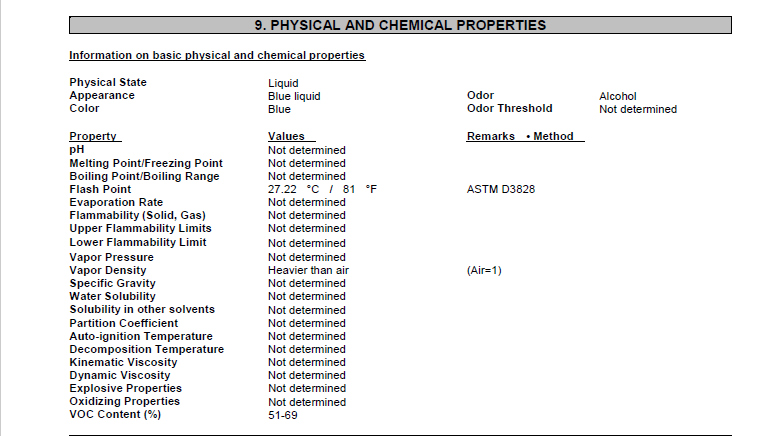
Section 9: Physical and Chemical Properties
This section provides important technical information, including:
- Flash point
- Boiling point
- Vapour pressure
- Solubility
- Appearance and odour
These properties are often crucial when assessing storage and transport risks.
Section 14: Transport Information
For dangerous goods professionals, this is one of the most referenced sections, helping determine how a product should be shipped safely and legally.
Who Is Responsible for Providing an SDS?
The responsibility primarily rests with the manufacturer or supplier of the product.
Manufacturers have detailed knowledge of the product’s composition and hazards and must ensure the information provided is accurate and up to date.
However, responsibility doesn’t end there.
Every organisation in the supply chain has a role to play:
- Manufacturers must create compliant SDS documents.
- Distributors must provide them to customers.
- Employers must make them available to workers.
- Transport professionals must use them to verify dangerous goods classifications.
- End users should review them before handling products.
International Compliance Matters
One particularly interesting point raised during the podcast was the importance of jurisdiction-specific SDS requirements.
An SDS that is compliant in one country may not automatically meet regulatory requirements in another.
For example:
- The United Kingdom follows UK REACH requirements.
- The European Union follows EU REACH regulations.
- The United States follows OSHA Hazard Communication Standards.
Businesses involved in international trade should ensure they have SDS documentation that complies with the regulations of the destination country.
Failing to do so can create compliance risks, shipment delays, and potential enforcement action.
What Happens If You Don’t Have an SDS?
The consequences can be serious.
If regulators such as the Health and Safety Executive (HSE) inspect a business and discover that Safety Data Sheets are unavailable or non-compliant, organisations may face:
- Regulatory enforcement action
- Improvement notices
- Financial penalties
- Operational disruption
- Potential prosecution in severe cases
More importantly, missing or inaccurate SDS information can place employees, emergency responders, and the public at risk.
Training Is Key
Understanding Safety Data Sheets is not just for chemists or dangerous goods specialists. Anyone involved in handling, storing, transporting, or managing hazardous materials should know how to interpret and use SDS information effectively.
Regular dangerous goods training helps employees:
- Understand hazard classifications
- Interpret SDS sections correctly
- Comply with transport regulations
- Reduce workplace risks
- Improve emergency preparedness
At Logicom Hub, we provide industry-recognised Dangerous Goods Training courses designed to help organisations stay compliant and operate safely across all transport modes.
Final Thoughts
Safety Data Sheets are far more than a regulatory requirement. They are a vital safety tool that supports compliance, protects workers, and enables the safe movement of hazardous materials throughout the supply chain.
Whether you’re shipping dangerous goods, managing a warehouse, operating a laboratory, or handling chemicals in manufacturing, understanding your Safety Data Sheets responsibilities is essential.
As the supply chain becomes increasingly regulated and globalised, businesses that invest in proper training and compliance processes will be better positioned to protect their people, their customers, and their reputation.
Further Resources
UNECE Dangerous Goods Transport Information: https://unece.org/transport/dangerous-goods
Logicom Hub Dangerous Goods Training: https://logicomhub.com
UK Health and Safety Executive (HSE): https://www.hse.gov.uk
UK REACH Guidance: https://www.gov.uk/guidance/reach-the-uk-chemical-regulation
To learn more about our training programmes, visit our website or contact our team today on 0330 912 5041 to discuss the right course for your organisation.