 Skip to content
Dangerous Goods Training Essentials
Handling and transporting dangerous goods is a critical responsibility across industries such as logistics, manufacturing, aviation, healthcare, and construction. Hazardous materials can pose serious risks to people, property, and the environment if they are not managed correctly. For this reason, organisations must prioritise safety, regulatory compliance, and effective training to ensure dangerous goods are handled appropriately at every stage of the supply chain.
Comprehensive dangerous goods training plays a vital role in reducing risks and ensuring employees understand their responsibilities when working with hazardous materials. From packaging and labelling to emergency response procedures, proper training helps businesses operate safely and in line with legal requirements.
Understanding Industry Requirements
Governments and regulatory authorities worldwide have established strict rules to govern the storage, handling, and transportation of dangerous goods. These regulations are designed to minimise the risk of accidents, environmental contamination, and harm to the public.
One of the most widely recognised frameworks is the United Nations’ Globally Harmonized System of Classification and Labelling of Chemicals (GHS). The GHS provides a standardised approach to identifying and communicating chemical hazards through labels, symbols, and safety data sheets. You can learn more about the GHS framework on the United Nations Economic Commission for Europe website.
In addition to global standards, there are also specific regulations covering the transport of dangerous goods by air, road, rail, sea, and inland waterways.
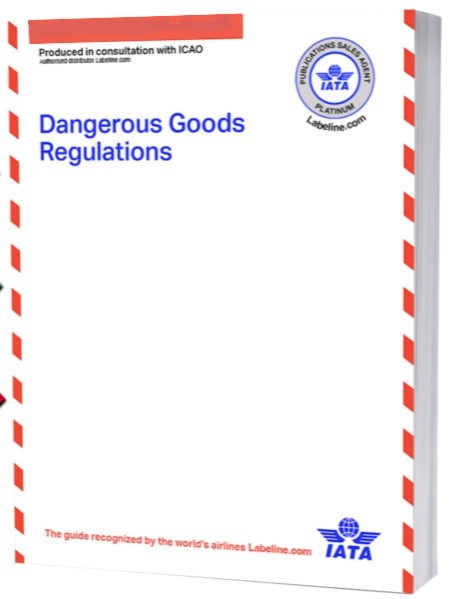
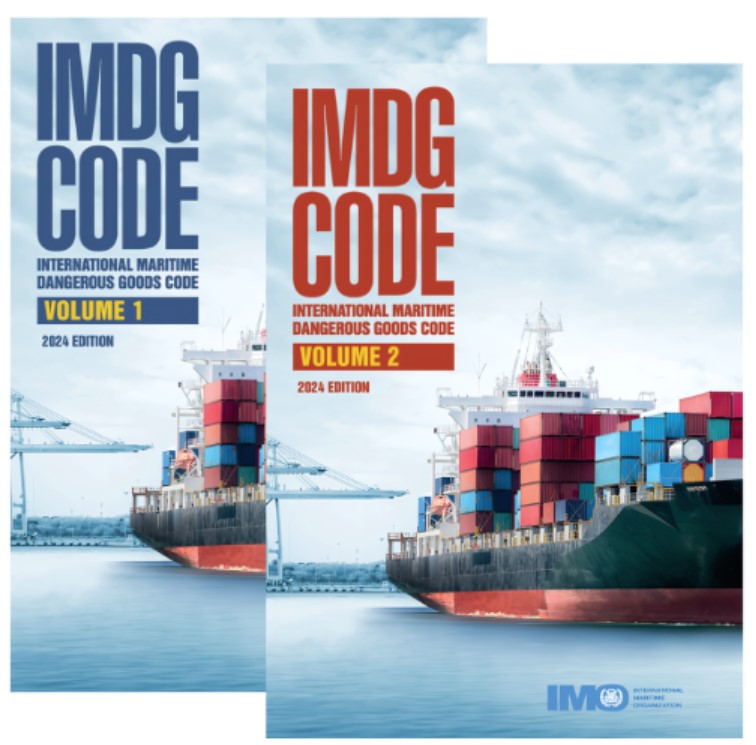
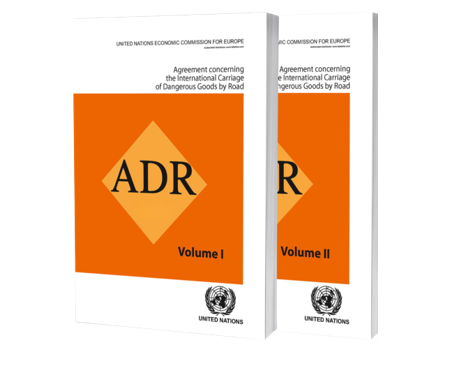
These regulations define important requirements including:
- Packaging standards
- Labelling and marking procedures
- Shipping documentation
- Storage requirements
- Emergency response measures
- Segregation of hazardous materials
Compliance with these regulations is not optional. Failure to follow the correct procedures can result in significant penalties, operational disruption, reputational damage, and serious safety incidents.
Best Practices for Handling Dangerous Goods
Businesses that handle hazardous materials should adopt industry best practices to ensure safety and compliance across all operations.
Proper Packaging and Labelling
Dangerous goods must always be packaged using approved containers suitable for the material being transported. Incorrect or damaged packaging can increase the risk of leaks, contamination, fires, or explosions during transit.
Clear and accurate labelling is equally important. Labels and markings should identify the nature of the hazardous material, associated risks, and any specific handling instructions. Proper labelling allows workers, transport operators, and emergency responders to quickly identify hazards and take appropriate precautions.
Accurate Documentation and Record-Keeping
Maintaining accurate records is an essential part of dangerous goods compliance. Organisations must keep detailed documentation relating to hazardous materials, including shipment information, quantities, classifications, and safety data sheets (SDS).
Training records should also be maintained to demonstrate employee competency and compliance during audits or inspections. Effective record-keeping supports transparency, accountability, and safer operational processes.
Training and Competency
Training is one of the most important elements of dangerous goods management. Employees involved in the transportation, storage, or handling of hazardous materials must receive comprehensive training relevant to their role and responsibilities.
Training programmes should cover areas such as:
- Hazard identification
- Safe handling procedures
- Packaging and labelling requirements
- Emergency response protocols
- Use of personal protective equipment (PPE)
- Legal and regulatory obligations
Competency-based assessments are also becoming increasingly important, particularly for dangerous goods transported by air. These assessments ensure individuals not only complete training but can also demonstrate the practical knowledge and skills required to perform their duties safely and effectively.
At Logicom Hub Ltd, we provide industry-focused dangerous goods training designed to help businesses remain compliant while building safer workplaces. Our courses support professionals across logistics, aviation, freight forwarding, and supply chain operations.
You can also explore our dedicated Dangerous Goods Training Courses to learn more about available qualifications and compliance solutions.
Why Dangerous Goods Training Matters
Investing in dangerous goods training provides benefits that extend far beyond regulatory compliance. It helps protect employees, safeguard the environment, and improve public safety.
Protecting Employees
Employees who work with hazardous materials face potential exposure to chemicals, flammable substances, toxic materials, and other dangerous goods. Without the correct training, workers may not recognise hazards or understand how to respond in emergency situations.
Effective training equips staff with the knowledge and confidence to identify risks, follow safe procedures, and take appropriate action if an incident occurs. This significantly reduces the likelihood of workplace injuries and accidents.
Safeguarding the Environment
Improper handling or disposal of dangerous goods can have devastating environmental consequences. Chemical spills, leaks, or contamination can damage ecosystems, pollute waterways, and create long-term environmental hazards.
Dangerous goods training helps individuals understand the environmental risks associated with hazardous materials and the measures required to minimise those risks. This promotes more responsible handling, storage, and disposal practices across organisations.
Ensuring Public Safety
Hazardous materials are frequently transported through public areas, including roads, airports, railways, and ports. Any failure in handling procedures can place the public at risk of fires, explosions, or toxic exposure.
Proper training helps reduce these risks by ensuring employees follow established safety procedures and comply with industry regulations. A well-trained workforce contributes to safer transport operations and greater public confidence.
Businesses looking to strengthen compliance and operational safety can also review additional guidance and resources available through the Logicom Hub podcasts.
Building a Safer Workplace
Understanding the essentials of dangerous goods training is crucial for any organisation involved in the handling or transportation of hazardous materials. A strong training programme provides employees with the skills and knowledge needed to work safely while helping businesses remain compliant with industry regulations.
By investing in dangerous goods training, organisations can reduce operational risks, prevent accidents, protect the environment, and promote a strong culture of safety throughout the workplace.
For more information about dangerous goods training, visit Logicom Hub Ltd, email [email protected], or call 03309125041.