 Skip to content

Navigating Crisis: Mastering Effective Emergency Response in Dangerous Goods Situations
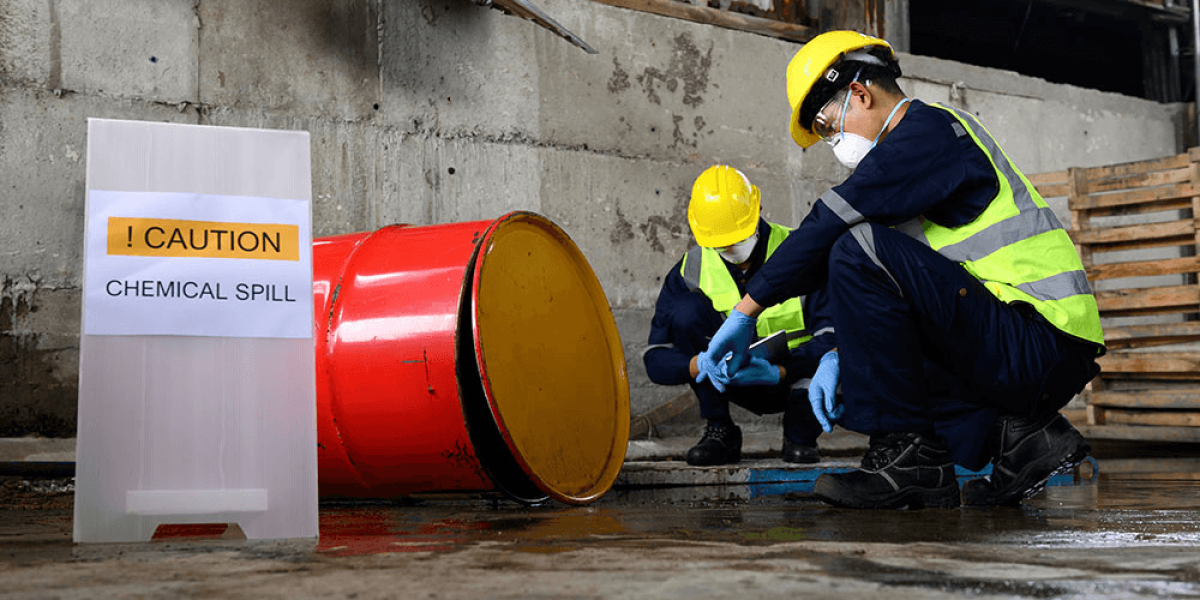
In the intricate world of handling dangerous goods, being prepared for emergencies is not just a regulatory requirement but a critical aspect of protecting personnel, the public and the environment. Whether your organisation stores, handles, packs or transports hazardous materials, having clear emergency response procedures can make the difference between a controlled incident and a serious escalation.
In this blog, we will explore the key components of effective emergency response procedures for dangerous goods incidents. We will look at the necessary steps to handle spills, leaks and other emergencies, with a focus on communication, containment and mitigation strategies that help protect lives and the environment.
For businesses looking to strengthen their compliance knowledge, Logicom Hub offers a range of dangerous goods training courses covering key transport modes, regulations and practical responsibilities.
Understanding Emergency Response Procedures for Dangerous Goods Incidents
Immediate Assessment
When a dangerous goods incident occurs, the first step is to carry out an immediate assessment of the situation. This involves identifying the type of hazardous material involved, the extent of the spill or leak and the potential risks to personnel, the public and the environment.
Accurate identification is essential because different substances require different response measures. Emergency teams may need to check safety data sheets, transport documents, package markings, hazard labels or emergency action information. The GOV.UK guidance on transporting dangerous goods provides useful information on dangerous goods rules, documentation and reporting requirements.
Communication Protocols
Effective communication is paramount during dangerous goods incidents. Establishing clear communication channels ensures that relevant stakeholders, including emergency responders, regulatory agencies, site personnel and affected parties, are informed promptly.
Good communication supports a coordinated response and helps prevent confusion. It should include:
- Who must be notified
- What information must be shared
- How responders will receive updates
- Who has authority to make decisions
- How personnel and the public will be warned if needed
Organisations should also ensure that emergency responders can access accurate information about the dangerous goods involved. The 2024 Emergency Response Guidebook from PHMSA is a helpful external resource for understanding initial response considerations for transport incidents involving hazardous materials.
Personnel Safety
The safety of personnel involved in handling dangerous goods must always come first. Emergency response procedures should include clear protocols for protecting individuals in the vicinity of the incident. This may involve evacuation, isolation of the affected area, use of personal protective equipment and medical attention where necessary.
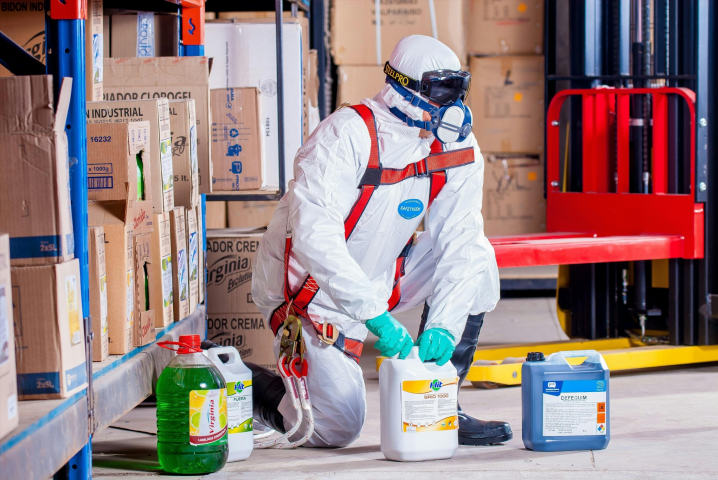
Personnel should never attempt to control a dangerous goods incident unless they are trained, authorised and equipped to do so. For many organisations, regular training is essential to ensure staff understand their duties and limitations. Logicom Hub’s online dangerous goods training provides flexible learning options for teams who need to build or refresh their dangerous goods knowledge.
Steps to Handle Spills, Leaks and Other Hazardous Materials Emergencies
Containment
Containment is a critical step in preventing the spread of hazardous materials. This may involve using spill kits, absorbents, drain covers, bunding, barriers or other suitable control methods to limit the movement of the substance.
The appropriate containment method will depend on the material involved, the quantity released and the surrounding environment. For example, a small liquid spill in a warehouse may require a different response from a leaking drum near a drain or a release involving flammable vapours.
The Health and Safety Executive provides useful guidance on emergency response and spill control, including the importance of containment and emergency preparedness.
Identification and Classification
Proper identification and classification of the hazardous material involved are crucial for determining the correct response. Emergency responders must have access to information about the material’s properties, health hazards, environmental risks and recommended handling procedures.
This may include checking:
- UN number
- Proper shipping name
- Dangerous goods class
- Packing group
- Safety data sheet
- Transport documentation
- Package markings and labels
If your team needs support understanding dangerous goods terminology, the Logicom Hub Dangerous Goods Terminology A-Z Glossary is a useful internal resource for building confidence with industry language and acronyms.
Mitigation Strategies
Once the incident is contained, the focus shifts to mitigation. This may involve neutralising the hazardous material, using a spill kit, transferring the material to a secure container or implementing other measures to reduce the risk of further harm.
Mitigation should always be based on the substance involved and the level of risk. Some dangerous goods may react with water, release toxic vapours, create fire risks or contaminate soil and watercourses. For workplace exposure risks, the HSE’s Control of Substances Hazardous to Health guidance provides helpful information on managing hazardous substances safely.
Decontamination
Decontamination procedures are crucial to prevent the spread of hazardous substances and protect both responders and the environment. This involves removing or neutralising contaminants from affected surfaces, equipment, clothing and personnel.
Decontamination arrangements should be planned before an incident occurs. Organisations should consider where decontamination will take place, what equipment is required, how contaminated waste will be handled and when specialist support is needed.
Importance of Communication, Containment and Mitigation Strategies
Preventing Escalation
Effective communication, containment and mitigation strategies work together to prevent dangerous goods incidents from escalating. Timely and accurate communication ensures that response efforts are coordinated. Containment measures limit the spread of hazardous materials. Mitigation strategies address the source of the incident and reduce further risk.
When these elements are missing, even a small incident can become more serious. A leaking container, incorrect clean-up method or delayed notification can quickly increase the risk to people, property and the environment.
Protecting Lives and the Environment
The primary goal of emergency response in dangerous goods situations is to protect lives and minimise harm to the environment. Proper communication keeps individuals informed and helps them take the right safety measures. Swift containment and mitigation help reduce environmental contamination and prevent exposure to harmful substances.
Emergency planning should also include consideration of nearby drains, watercourses, ignition sources, incompatible materials and vulnerable people in the area.
Compliance with Regulations
Regulatory bodies prescribe specific requirements for the transportation, storage and handling of dangerous goods. Adhering to proper communication, containment and mitigation protocols helps organisations maintain compliance, avoid enforcement action and reduce reputational risk.
For road transport, organisations should understand the requirements of ADR and the UK Carriage of Dangerous Goods framework. The HSE provides further information on ADR, CDG Regulations and Dangerous Goods Safety Advisers. Businesses involved in dangerous goods activities may also need to understand whether they require a Dangerous Goods Safety Adviser.
Logicom Hub supports businesses with practical dangerous goods training and consultancy. If your organisation needs tailored support, explore our in-house dangerous goods training options.
Incorporating Industry Best Practices
Training and Preparedness
The effectiveness of emergency response procedures depends on the preparedness of personnel. Regular training exercises, drills and simulations help ensure that individuals are familiar with procedures and can respond confidently during real incidents.
Training should cover:
- How to raise the alarm
- Evacuation and isolation procedures
- Use of spill kits and containment equipment
- PPE requirements
- Emergency contact arrangements
- Incident reporting
- When to stop and call specialist responders
Logicom Hub offers dangerous goods courses designed to help individuals and organisations build the knowledge required to handle dangerous goods more safely and confidently.
Collaboration with Emergency Responders
Collaboration with local emergency responders, such as fire and rescue services and hazardous materials response teams, is essential. Establishing prearranged partnerships and conducting joint training exercises can improve coordination during actual incidents.
The National Fire Chiefs Council operational guidance provides a useful external reference point for understanding how emergency services approach operational planning and incident response.
Organisations should ensure that emergency responders can quickly access key information, including site plans, chemical inventories, storage locations and emergency contacts.
Continuous Improvement
After each incident, organisations should conduct a thorough debrief to identify areas for improvement. This should include reviewing what happened, how the response was managed, what worked well and what needs to change.
Continuous improvement may involve updating procedures, replacing equipment, improving training, changing storage arrangements or strengthening communication protocols. Lessons learned from drills, near misses and real incidents should all feed into a stronger emergency response framework.
Conclusion
Effective emergency response in dangerous goods situations is a cornerstone of responsible and safe operations. By implementing strong communication, containment and mitigation strategies, organisations can protect lives, minimise environmental impact and maintain compliance with dangerous goods regulations.
Training, collaboration with emergency responders and a commitment to continuous improvement are key elements in building a robust emergency response framework. In the world of dangerous goods, being prepared means navigating crises with resilience and ensuring a safer, more secure future for all.
To find out more about joining our dangerous goods training programmes, contact the Logicom Hub team today on 0330 912 5041 or email [email protected].