 Skip to content
Dangerous Goods by Air Training in Newcastle: 12–14 October
If your business prepares, handles, accepts or processes dangerous goods for air transport, having the right training is essential. Air transport has strict requirements, and even small errors in classification, packaging, marking, labelling or documentation can lead to rejected shipments, delays, penalties or serious safety risks.
Logicom Hub’s Dangerous Goods by Air Training Course Full (Class) is taking place in Newcastle from 12–14 October. This classroom course is designed to help learners confidently use the IATA Dangerous Goods Regulations and understand the responsibilities involved in preparing and handling dangerous goods for air transport.
Who should attend this course?
This course is suitable for anyone involved in the air cargo transport chain, including:
- Shippers and consignors
- Freight forwarders
- Cargo agents
- Warehouse and handling staff
- Operations teams
- Compliance teams
- Staff preparing dangerous goods shipments
- Staff checking documentation, packages or labels
- Anyone responsible for accepting or processing dangerous goods by air
It is particularly useful for those who need to understand how dangerous goods should be classified, packed, marked, labelled, documented and checked before being offered for air transport.
Why is Dangerous Goods by Air training important?
Dangerous goods are substances or articles that can pose a hazard to health, safety, property or the environment. The Dangerous Goods by Air Training manual explains that learners need to understand the organisations involved in dangerous goods standards, legal responsibilities, training requirements, exemptions, exceptions and incident reporting requirements.
Training helps individuals and businesses reduce the risk of undeclared, misdeclared or incorrectly prepared dangerous goods entering the air transport chain. The course also highlights the importance of identifying hidden dangerous goods, such as aerosols, batteries, adhesives, cleaning supplies, medical supplies, paints and other items that may not immediately appear hazardous.
What will the course cover?
Across the three days, learners will work through key areas of dangerous goods by air compliance.
On Day One, the course covers the introduction, course objectives, IATA Dangerous Goods Regulations and terminology, UK law and applicability, limitations, classification and identification.
On Day Two, learners review Day One before moving into packing, packaging specification and testing, and marking and labelling.
On Day Three, learners review Day Two and cover documentation, handling, lithium batteries and the CAA Dangerous Goods Examination.
Key topics include:
Classification and identification
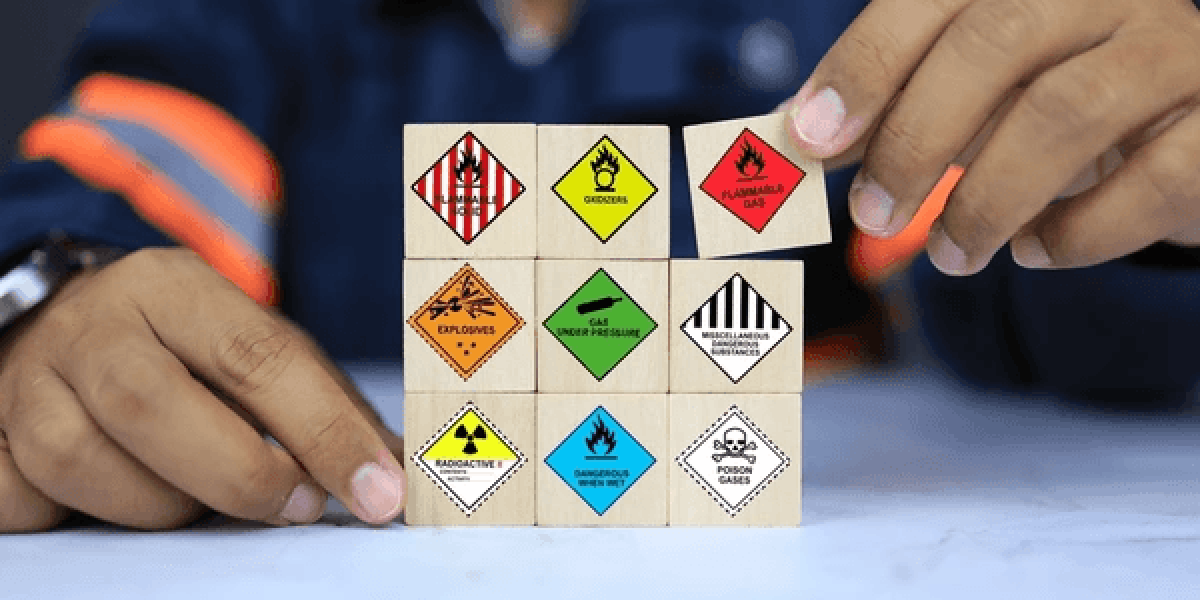
Learners will explore the nine classes of dangerous goods, how to determine hazard classes and packing groups, and how to identify the correct UN number and Proper Shipping Name. The course also covers multiple hazards and how to determine the primary hazard when more than one hazard is present.
Packaging and packing instructions
Correct packaging is essential for safe air transport. The course covers general packaging requirements, UN specification packaging, cushioning, compatibility and how to calculate the Q value when multiple dangerous goods are packed together.
Marking and labelling
Learners will review how marks and labels communicate the hazards present in a package. The course covers required package information, including Proper Shipping Name, UN or ID number, shipper and consignee details, net quantity, hazard labels, UN specification marks and special labels where applicable.
Documentation
The course includes practical work on the Shipper’s Declaration, Air Waybill and additional documents that may be required. Learners will look at how documentation must be completed accurately and compared against the physical cargo.
Handling and acceptance
Learners will cover procedures for acceptance, handling, storage, loading and stowage, as well as how to complete an acceptance checklist on a dangerous goods shipment.
Lithium batteries
Lithium batteries remain one of the most important areas of dangerous goods by air compliance. The course covers how to determine the correct UN number, Proper Shipping Name, packing instruction and section for battery consignments.
Course objective
By the end of the Dangerous Goods by Air training, learners should be able to use the IATA Dangerous Goods Regulations to correctly prepare dangerous goods consignments for air, follow accepted practices and standards, and validate whether a consignment has been prepared correctly for air transportation.
Book your place in Newcastle
If you or your team are involved in the preparation, handling, acceptance or transport of dangerous goods by air, this course will help strengthen knowledge, confidence and compliance.
Course: Dangerous Goods by Air Training Course Full (Class)
Location: Newcastle
Dates: 12–14 October
Book here:
Dangerous Goods by Air Training Course Full (Class)
Dangerous Goods by Air Training Course Revalidation (Class)
For more information, contact Logicom Hub:
Phone: 0330 912 5041
Email: [email protected]
Website: www.logicomhub.com