 Skip to content

Why ADR Driver Training is important
Quick answer: ADR Driver Training is the mandatory qualification every driver needs to legally transport dangerous goods by road. It certifies that you understand the risks, regulations and correct handling procedures under the ADR agreement. Without a valid ADR card, you cannot carry hazardous loads — and both driver and employer face prosecution.
You’re transporting fuel, chemicals or gases. The load is legal, the vehicle is right, but there’s one thing standing between you and the road: a valid ADR Vocational Training Certificate. Without it, you cannot legally move that cargo. It’s that simple.
Dangerous goods don’t forgive shortcuts. A poorly secured load, a misread label or a wrong move during an incident can turn a routine delivery into a serious emergency. ADR Driver Training exists to make sure that never happens on your watch.
This post explains what ADR Driver Training is, why the law demands it, and what proper certification does for your safety, your compliance and your career. If you drive dangerous goods — or manage drivers who do — this is where you start.
What is ADR Driver Training?
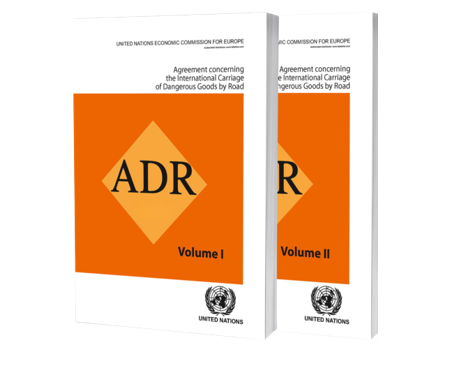
ADR stands for the Accord européen relatif au transport international des marchandises dangereuses par route — the European agreement governing the international carriage of dangerous goods by road. ADR Driver Training gives you the knowledge and legal qualification to transport those goods safely.
The training covers a core syllabus every driver must complete, plus specialist modules based on what you carry. You’ll learn hazard awareness, the properties of different dangerous goods classes, vehicle markings, documentation, and what to do in an emergency. Courses include practical exercises too — including a fire extinguisher drill and emergency procedures.
Pass the exams, and you receive an ADR certificate. It’s valid for five years and recognised across the UK and Europe.
Here’s what a standard qualification covers:
- Core module: Hazard awareness, legislation, vehicle markings and emergency response — mandatory for every driver.
- Packages: Safe carriage of dangerous goods in packaged form.
- Tanks: Additional training for drivers transporting liquids in bulk.
- Hazard classes 2–9: Gases, flammable liquids, corrosives, toxic and miscellaneous substances.
- Specialist classes: Class 1 (explosives) and Class 7 (radioactive materials) for drivers carrying those specific goods.
Legal requirements and compliance
Let’s be clear on the law. Any driver transporting dangerous goods above defined threshold quantities must hold a valid ADR certificate. This is not optional. It’s set out under the Carriage of Dangerous Goods and Use of Transportable Pressure Equipment Regulations (CDG) 2023, which align UK rules with the wider ADR agreement.
Since 2007, the scope has widened. It’s no longer just vehicles over 3.5 tonnes. Any vehicle carrying dangerous goods above the exemption thresholds is now in scope. If you’re moving hazardous loads for work, assume you need certification until you’ve confirmed otherwise.
Employers carry legal duties too. Under the Health and Safety at Work Act and the CDG 2023 Regulations, operators must ensure their drivers are properly trained and certified for the loads they carry. Get this wrong and the consequences are real: prosecution, fines and vehicle impoundment.
Certification also has a shelf life. Your ADR card is valid for five years. Let it lapse and you don’t simply renew — you retake the full initial course and exams from scratch. That means downtime, extra cost and a driver who can’t legally work in the meantime.
The role of the driver in safe dangerous goods transport
You are the last line of defence. Regulations, packaging and vehicle design all help, but on the road, safe transport comes down to the person behind the wheel.
An ADR-trained driver knows how to check that a load is correctly classified, labelled and secured. You know what each hazard class means and how it behaves. You know the documentation to carry, the markings your vehicle needs, and the exact steps to take if something goes wrong.
That last point matters most. When an incident happens — a spill, a leak, a fire — the trained driver acts fast and correctly. You make the area safe, follow emergency procedures, and prevent a bad situation from becoming a disaster. The untrained driver hesitates, guesses, or makes it worse.
Proper training turns knowledge into instinct. That’s what keeps you, other road users and the environment safe.
Benefits of proper ADR training
ADR training protects more than your compliance record. Here’s what it delivers:
- Legal compliance: Hold a valid certificate and you meet your obligations under CDG 2023 — no fines, no prohibition notices, no impounded vehicles.
- Safety: Trained drivers prevent chemical spills, fires and environmental harm, and respond correctly when incidents do occur.
- Career advancement: ADR certification opens doors. Many contracts in the fuel, waste and chemicals sectors require ADR-qualified drivers. ADR drivers in the UK typically earn between £32,000 and £45,000+ per year.
- Business advantage: Fleets with certified drivers may benefit from lower insurance premiums, stronger reputation and access to more contracts.
- Driver CPC hours: Eligible ADR training can count towards your periodic Driver CPC requirement — so you tick two boxes at once.
The value is clear. Certification keeps you legal, keeps you safe, and makes you more employable.
Get certified with our ADR Driver Training course
Our new ADR Driver Training course is built for drivers who need to get qualified without the guesswork. Delivered by experienced industry professionals with hands-on knowledge of dangerous goods transport, the training gives you a clear, practical understanding of ADR regulations — for packaged goods, tanks, or both.
We’re partnered with Zoona Ltd, approved by the Driver and Vehicle Standards Agency (DVSA) and a member of the Driver Consortium. That means the qualification you leave with is recognised and respected right across the industry. Examination fees are included in the course price, and eligible courses can contribute towards your Driver CPC hours.
Choose the option that fits your role:
- 3.5-Day Initial ADR Training — Core, Packages and Hazard Classes 2, 3, 4, 5, 6, 8 & 9. For drivers carrying dangerous goods in packages. £505 including VAT.
- 5-Day Initial ADR Training — Core, Packages, Tanks and Hazard Classes 2, 3, 4, 5, 6, 8 & 9. For drivers needing both Packages and Tanks. £600 including VAT.
Training is delivered from a central, accessible location in Rugby, with in-house delivery available at your own premises subject to DVSA approval. Have a large group to train? We can come to you.
The bottom line
ADR Driver Training isn’t red tape. It’s the qualification that keeps dangerous goods moving safely and keeps you on the right side of the law. Without it, you can’t work. With it, you protect yourself, your employer, other road users and the environment — and you open up a well-paid, in-demand career. You can read more on the Department of Transport website on how to become a qualified driver.
Don’t wait for a compliance check to find out you’re not covered. Book your ADR Driver Training course today and get qualified with instructors who know the job inside out. Call Logicom Hub 0330 912 5041 or email [email protected]