Skip to content
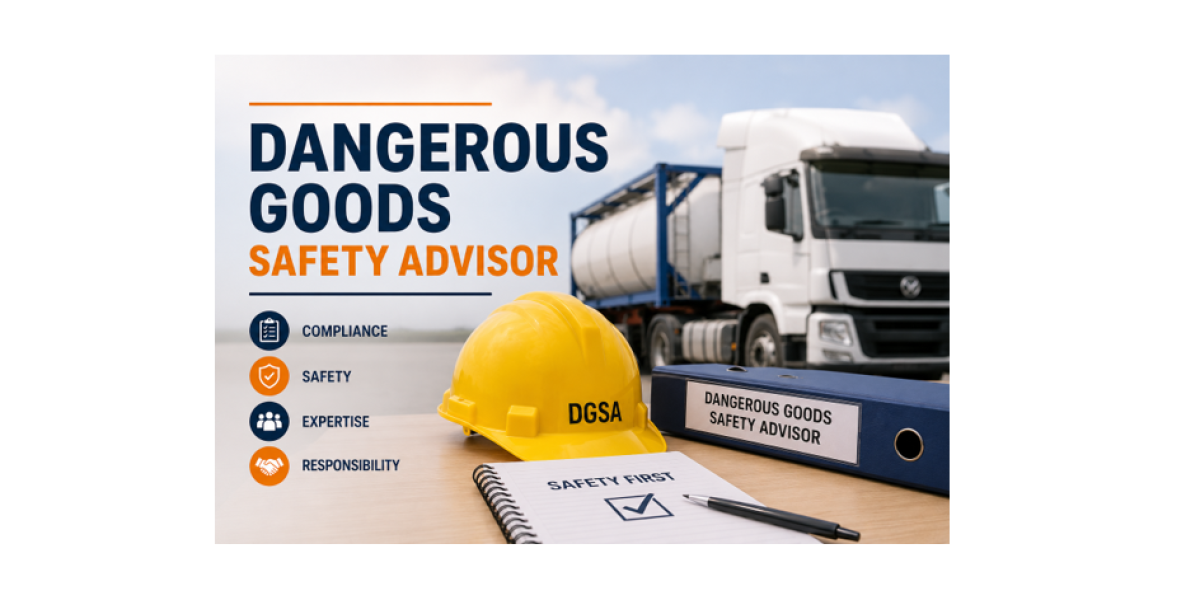
Becoming a DGSA: Why Dangerous Goods Safety Advisers Matter
When dangerous goods move by road, rail or inland waterway, there is more at stake than getting a shipment from A to B. Incorrect classification, poor packaging, missing documentation or the wrong vehicle markings can create serious risks for people, property and the environment.
That is where a Dangerous Goods Safety Adviser, commonly known as a DGSA, becomes essential.
A DGSA is the competent person who helps an organisation stay compliant with dangerous goods transport regulations. In the UK, many businesses that consign, transport, pack, fill, load or unload dangerous goods on a regular basis must appoint a DGSA. There are exemptions, but for many companies handling hazardous materials, having a qualified DGSA is a legal and practical necessity.
What does a DGSA do?
A DGSA is not just someone who “knows the regulations”. Their role is to turn complex requirements into safe, workable procedures across the business.
Typical DGSA duties include:
- Advising the business on the safe transport of dangerous goods
- Monitoring compliance with dangerous goods regulations
- Preparing annual reports for management
- Investigating accidents, incidents or serious infringements
- Checking that staff receive appropriate dangerous goods training
- Reviewing documentation, vehicle equipment, markings, placarding and procedures
- Helping the business reduce the chance of repeat incidents
The role is especially important because dangerous goods compliance covers many moving parts, including classification, packaging, marking, labelling, documentation, loading, unloading, emergency arrangements and security. Logicom Hub’s DGSA training syllabus is designed around these practical areas, including ADR navigation, package and tank requirements, documentation, plating and placarding, transport operations, training, crew duties, security and emergency procedures.
Why is a DGSA important?
A Dangerous Goods Safety Adviser plays a vital role in helping businesses manage the risks involved in the carriage of dangerous goods. From checking transport documents to reviewing procedures, training and emergency arrangements, the DGSA helps ensure dangerous goods are moved safely and legally. For further official guidance, businesses can refer to the GOV.UK guidance on employing a Dangerous Goods Safety Adviser.
The DGSA provides the knowledge and oversight needed to:
- Keep transport operations compliant
- Support drivers, warehouse teams, loaders and office staff
- Reduce the risk of incidents involving hazardous materials
- Improve internal procedures and audit readiness
- Protect people, property and the environment
For companies moving dangerous goods regularly, a DGSA becomes a key part of the safety culture. They are the person who can interpret the rules, challenge unsafe practice and guide teams before mistakes happen.
Who can become a DGSA?
A DGSA can be an existing employee, a manager, a specialist within the business or an external adviser, provided they are competent and hold the required DGSA qualification. The UK regulated professions guidance for Dangerous Goods Safety Advisers states that only individuals with DGSA certification can legally carry out DGSA activities within the scope of ADR and RID.
This makes the qualification ideal for people working in:
- Dangerous goods logistics
- Transport compliance
- Warehouse operations
- Chemical distribution
- Manufacturing
- Freight forwarding
- Health and safety
- Quality or regulatory compliance
For Logicom Hub’s DGSA course, learners are expected to already hold Dangerous Goods by Road certification, and the course focuses on preparing candidates to confidently use ADR and understand the responsibilities of the DGSA. You can access the latest ADR files through UNECE’s ADR resources.
What is the DGSA exam like?
The DGSA qualification is assessed externally, so you should always check the latest exam information before applying. Official details about booking the exam can be found on the GOV.UK DGSA exam booking page, while further qualification information is available from the Scottish Qualifications Authority. Logicom Hub provides training and exam preparation, but the examination itself is administered by the Scottish Qualifications Authority, and no training provider is authorised to set or undertake the exam.
To qualify, candidates need to pass DGSA exams covering:
- The Core module
- All Dangerous Goods Classes
- One mode paper, such as Road, Rail or Inland Waterways
Candidates must pass the required exams within 12 months of taking their first exam, and the qualification must be renewed every five years to remain valid.
The exam is not about memorising every regulation. It is about knowing how to find the correct information quickly, apply it accurately and support answers with the right regulatory references. GOV.UK guidance confirms that candidates can take printed copies of the relevant regulatory documents into the exam, including ADR, CDG 2009, the Dangerous Goods Emergency Action Code List and approved derogations and transitional provisions.
Recent candidate performance reports show why preparation matters. In the March 2026 report, candidates lost marks for incomplete answers, weak references and not fully researching the regulatory text. Road candidates also found areas such as marking, placarding, documentation, compliance thresholds and UK CDG requirements demanding.
Train with Logicom Hub
Logicom Hub’s DGSA training is designed to help candidates build confidence with ADR, understand the role of the DGSA and prepare for the external SQA examination. The course covers real-world compliance areas, including classification, packaging, tank provisions, marking and labelling, documentation, plating and placarding, loading and unloading, vehicle equipment, emergency procedures and security.
Whether your organisation needs to appoint an internal DGSA or you are looking to develop your own dangerous goods career, structured training can make the difference between struggling with the regulations and knowing how to apply them.
View the latest available dates here: Dangerous Goods Safety Adviser courses coming up.
Final thoughts
Becoming a DGSA is a valuable step for anyone involved in the safe movement of dangerous goods. The role carries responsibility, but it also gives you the knowledge to make a real difference in transport safety and compliance.
With the right preparation, guidance and practice, you can approach the DGSA qualification with confidence and Logicom Hub can help you get there.
Absolutely, you can add this at the end of the blog as a clear call-to-action:
Ready to Start Your DGSA Journey?
Whether you are looking to become a qualified Dangerous Goods Safety Adviser or your business needs support with dangerous goods compliance, Logicom Hub can help you take the next step with confidence.
Sign up for upcoming DGSA training here: Dangerous Goods Safety Adviser courses coming up
For more information, contact Logicom Hub:
Phone: 0330 912 5041 or 01608 692177
Email: [email protected]
Website: www.logicomhub.com