 Skip to content


Navigating the Compliance Landscape: The Importance of Ensuring Compliance in Dangerous Goods Training
Introduction
In industries dealing with hazardous materials, ensuring compliance is not just a checkbox exercise—it’s a critical element for maintaining safety, protecting the environment, and abiding by legal obligations. This blog delves into the significance of compliance in dangerous goods training, shedding light on the regulations and standards governing the transportation and handling of hazardous materials. We’ll explore the consequences of non-compliance and unravel the legal obligations placed on organisations and individuals involved in dangerous goods handling. Furthermore, we’ll discuss best practices and strategies to ensure compliance, maintain workplace safety, and minimise risks associated with the transportation and storage of dangerous goods.
Understanding the Importance of Compliance in Dangerous Goods Training
Compliance in dangerous goods training is not merely a bureaucratic requirement; it is the linchpin of a safe and responsible approach to handling hazardous materials. Dangerous Goods Training programs are designed to equip individuals with the knowledge and skills needed to navigate the complexities of dangerous goods, fostering a culture of safety and accountability within organisations.
Safety First: Compliance ensures that employees are well-versed in the safe handling, transportation, and storage of dangerous goods. This knowledge is paramount in preventing accidents, spills, and other incidents that could have severe consequences for both individuals and the environment.
Environmental Protection: Hazardous materials have the potential to cause significant harm to the environment if not handled with care. Compliance with regulations helps minimise the risk of spills, leaks, or improper disposal, protecting ecosystems and natural resources.
Public Health: The transportation of dangerous goods often involves passing through populated areas. Compliance in training safeguards public health by reducing the likelihood of accidents that could lead to exposure or contamination.
Learn about the Regulations and Standards
Navigating the intricate web of regulations and standards governing dangerous goods is a crucial step in ensuring compliance. Different countries and regions may have distinct sets of rules, making it imperative for organisations to stay informed and updated on the latest requirements. Some key regulatory frameworks include:
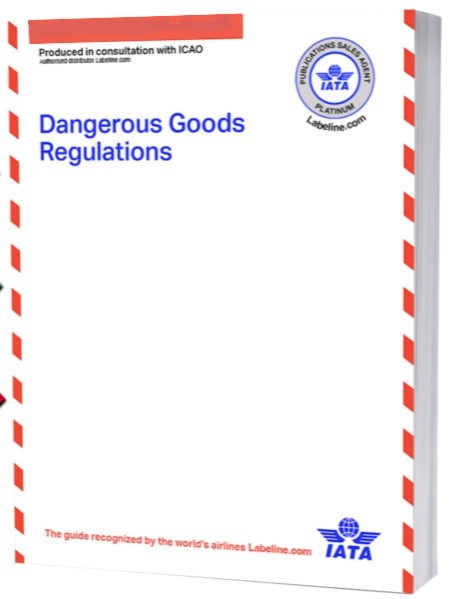
International Air Transport Association (IATA): IATA provides guidelines for the safe transportation of dangerous goods by air. Training programs aligned with IATA regulations are essential for personnel involved in air transport of hazardous materials.
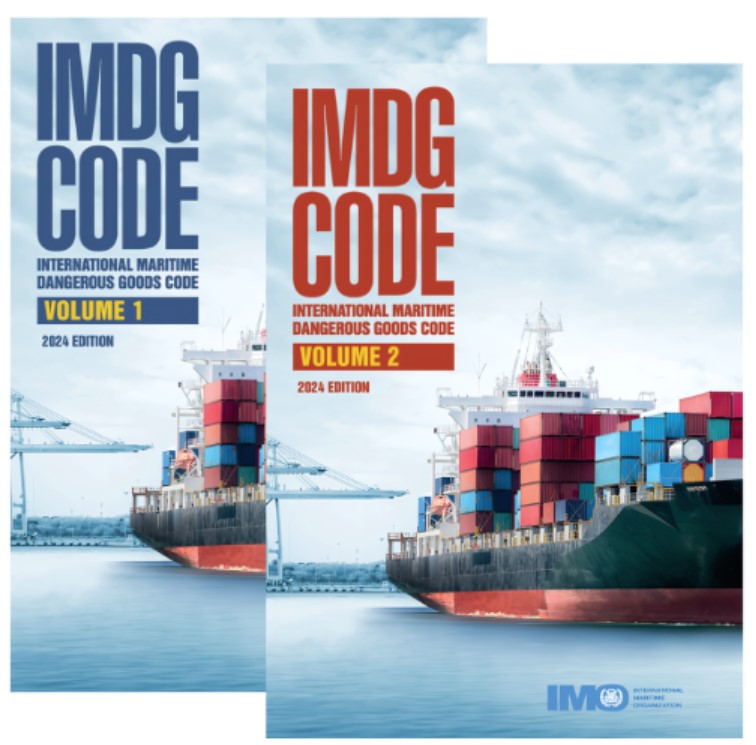
International Maritime Dangerous Goods (IMDG) Code: The IMDG Code outlines regulations for the safe maritime transportation of dangerous goods. Compliance with these standards is critical for organisations engaged in shipping hazardous materials via sea.
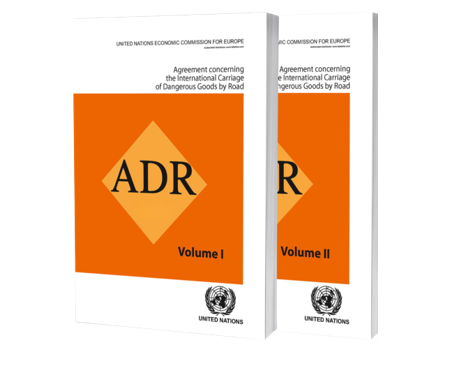
Department for Transport: The carriage of dangerous goods by road, rail, inland waterway, sea and air is regulated internationally by European agreements, directives and regulations, and parallel legislation in the UK. If you’re involved in the processing, packing or transporting of dangerous goods, familiarity with UK and European regulation is essential.
Consequences of Non-Compliance
The repercussions of non-compliance with dangerous goods regulations can be severe, ranging from financial penalties to reputational damage and, in extreme cases, legal actions. Consequences may include:
Fines and Penalties: Regulatory bodies can impose significant fines for violations of dangerous goods regulations. Non-compliance may result in financial burdens that can have a lasting impact on a company’s bottom line.
Legal Action: Failure to adhere to regulations can lead to legal action, including lawsuits and prosecution. Organisations may find themselves in legal battles that can tarnish their reputation and result in substantial legal costs.
Reputational Damage: Incidents of non-compliance can harm a company’s reputation, eroding trust among clients, partners, and the public. Rebuilding trust after a compliance breach can be a lengthy and challenging process.
Legal Obligations of Organisations and Individuals
Those involved in the handling, transportation, and storage of dangerous goods are bound by legal obligations to ensure compliance with applicable regulations. Organisations and individuals must:
Provide Adequate Training: Employers are responsible for providing comprehensive training to personnel involved in dangerous goods handling. This training should cover relevant regulations, emergency response procedures, and safe handling practices.
Maintain Documentation: Accurate record-keeping is essential to demonstrate compliance. This includes maintaining records of training certifications, safety protocols, and documentation related to the transportation of dangerous goods.
Adhere to Reporting Requirements: Organisations must promptly report incidents, spills, or accidents involving dangerous goods to the appropriate regulatory authorities. Timely reporting is crucial for mitigating the impact of incidents and avoiding further regulatory scrutiny.
Best Practices and Strategies for Ensuring Compliance
To ensure compliance with dangerous goods regulations, organisations can implement the following best practices and strategies:
Regular Training Updates: Stay abreast of changing regulations by providing regular updates to employees. Continuous training ensures that personnel are well-informed about the latest requirements and best practices.
Conduct Audits and Inspections: Regular internal audits and inspections help identify potential compliance gaps. Addressing issues proactively ensures a culture of continuous improvement and reduces the risk of non-compliance.
Collaborate with Regulatory Agencies: Establish open lines of communication with relevant regulatory agencies. Seeking guidance and participating in industry forums can provide valuable insights into evolving regulations and compliance expectations.
Conclusion
Compliance in dangerous goods training is not just a legal obligation; it is a commitment to safety, environmental protection, and public health. Understanding the importance of compliance, learning about regulations and standards, and embracing best practices are essential steps for organisations and individuals involved in the transportation and handling of hazardous materials. By ensuring compliance, businesses not only safeguard their operations from legal consequences but also contribute to a safer and more responsible industry.
If you need help with understanding compliance in dangerous goods training, get in touch to discuss your training needs on our website, call us at 0330 912 5041 or email us at [email protected].